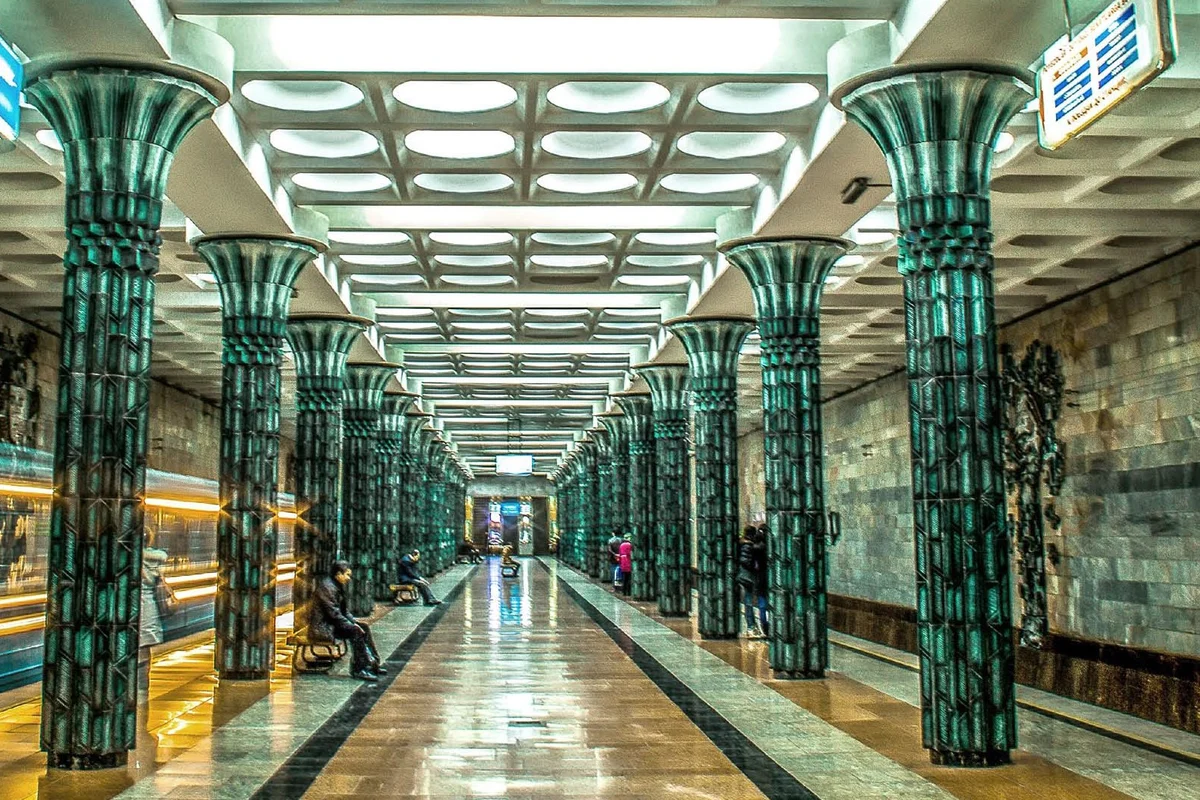
Tashkent Metro Architecture Walk: Signature Stations and Photo Route
Explore Tashkent Metro as an architectural landmark: station style differences by line, a compact self-guided route, and photo-focused stop picks.
Tashkent Metro Architecture Walk: A Visual Route Through the System
Tashkent Metro is not only a transport system but also one of the city’s most distinctive public interiors. This route is built for travelers who want to see that architectural character in one focused walk, without turning the evening into a long multi-transfer trip.
For route mechanics, payment, and transfer planning, use the practical guide: Tashkent Metro Guide.
Route flow for a calm architecture-focused ride
Choose an off-peak window, then run the stations in this order so each stop feels visually different from the previous one:
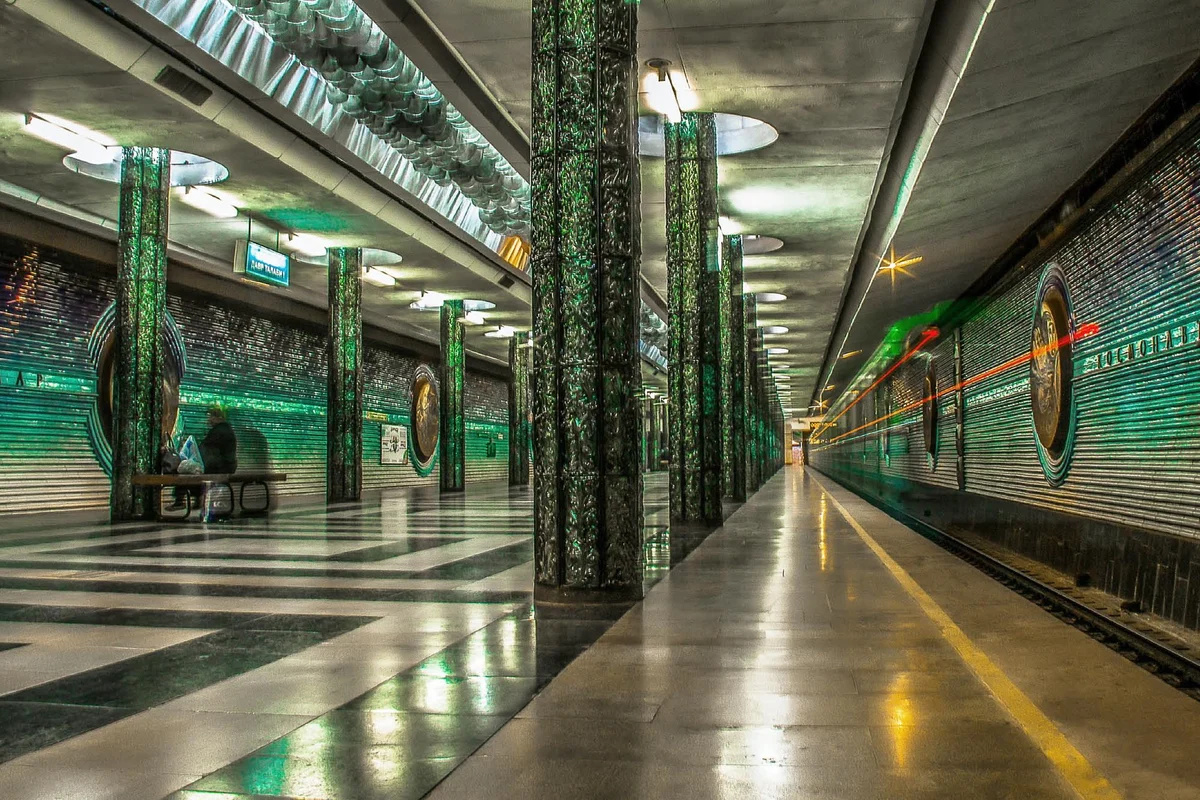
- Kosmonavtlar (Uzbekistan line) for the deep emerald palette and strong platform rhythm.
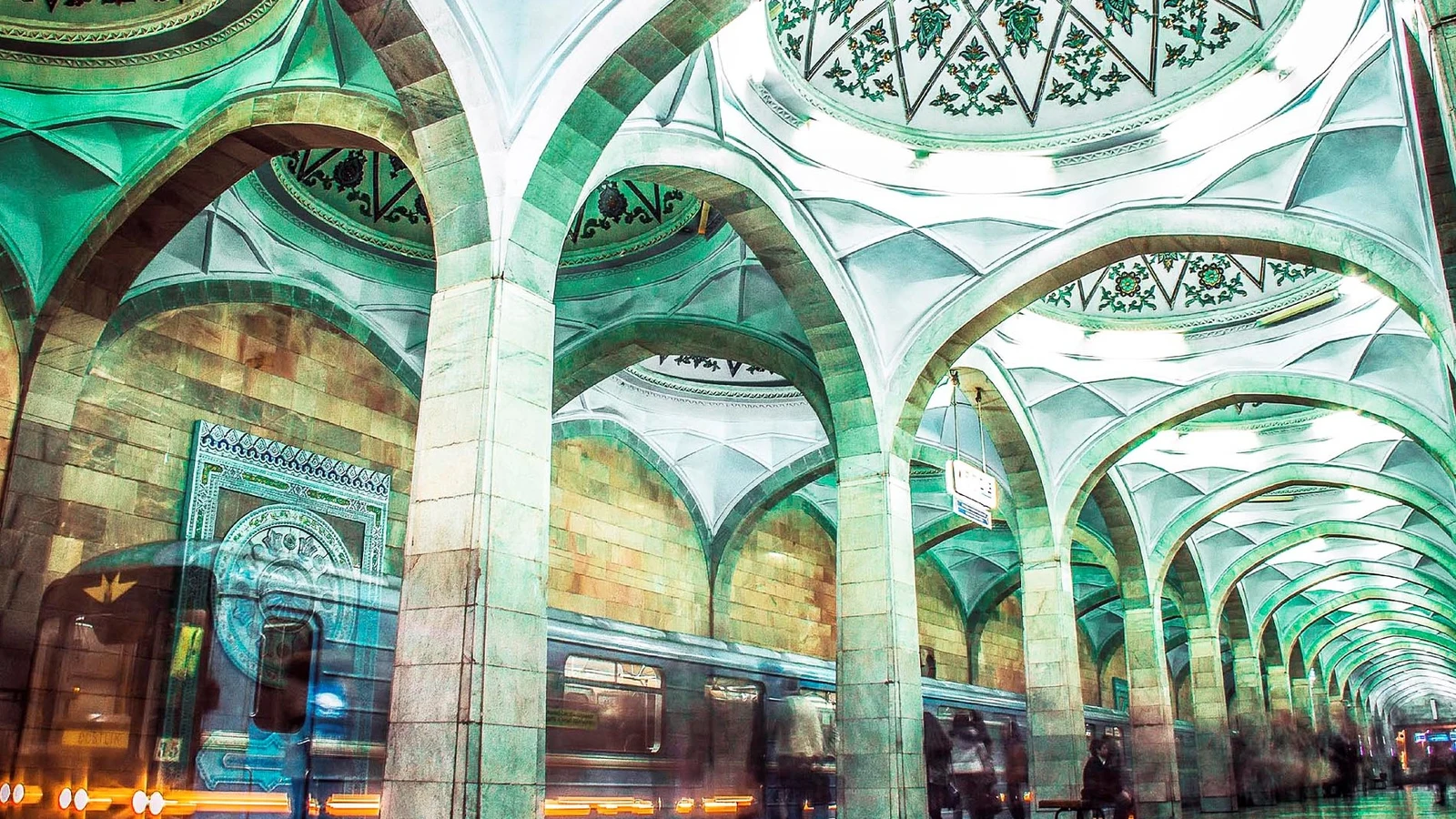
- Alisher Navoiy (Uzbekistan line) for vaulted geometry and ornamental ceiling detail.
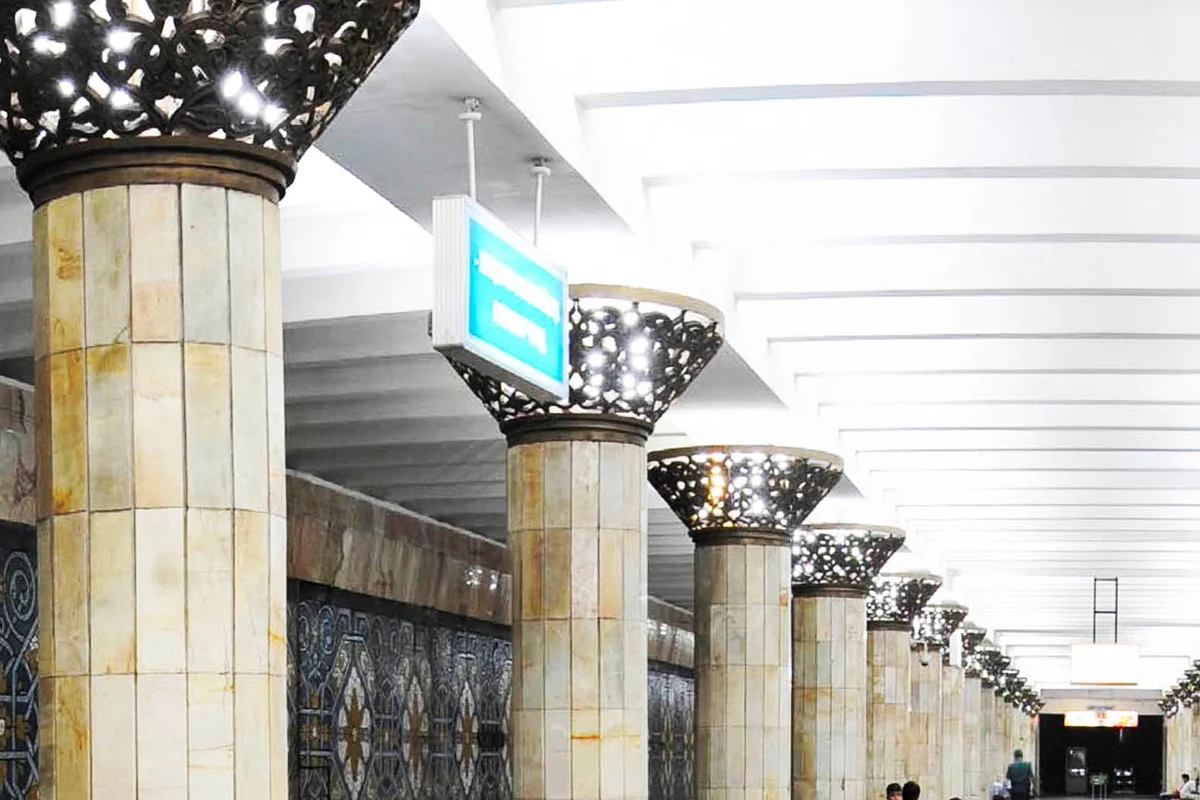
- Paxtakor (Chilanzar line) for brighter hall composition and decorative columns.
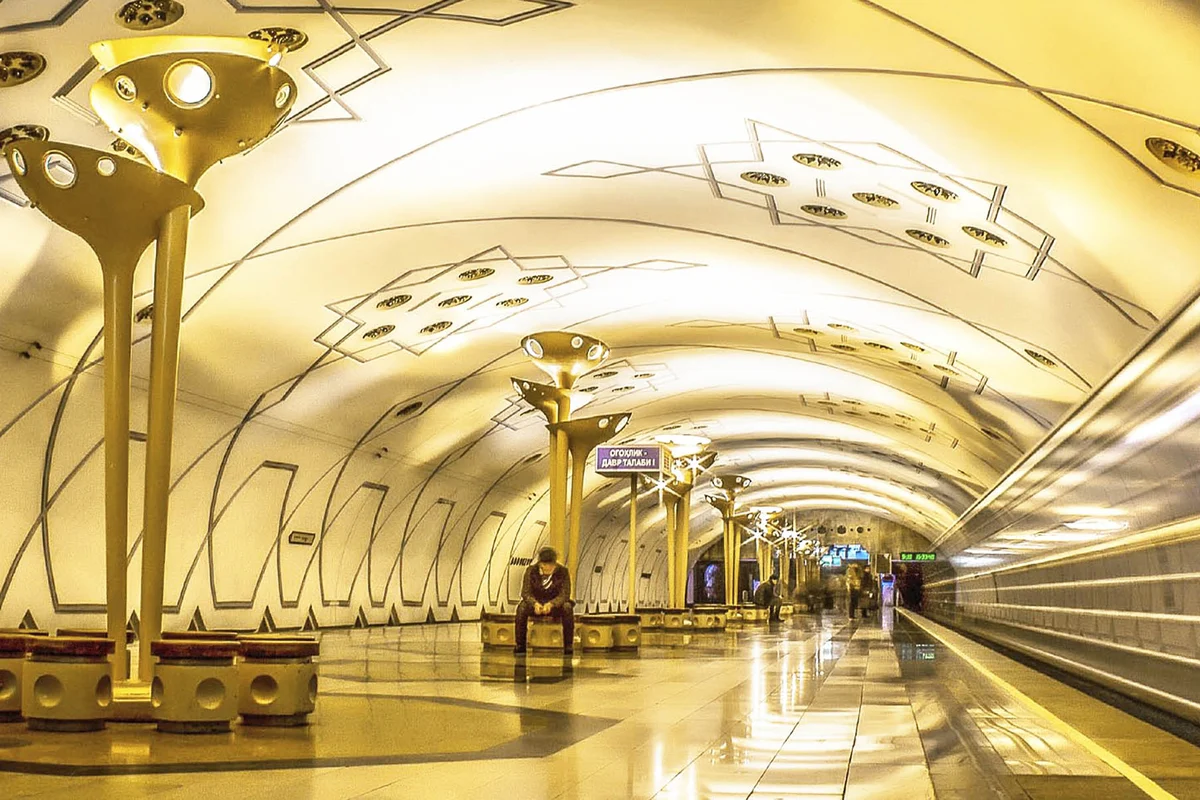
- A Yunusabad line station for a cleaner, newer visual contrast before finishing.
This sequence works well for travelers who want one concentrated station-design block without turning the day into a full transport drill.
How to read the visual differences by line
- Uzbekistan line gives you the strongest heritage-style atmosphere and richer color accents.
- Chilanzar line emphasizes classic hall rhythm and decorative station identity.
- Yunusabad line adds a cleaner, more contemporary tone that balances the older stations.
Photography and station etiquette
Tashkent Metro is an active daily system for local commuters, not a staged exhibition space, so respectful behavior keeps the experience comfortable for everyone:
- keep platform flow clear near train doors and corridor bottlenecks,
- take wide shots from side positions instead of blocking central paths,
- follow station signs and staff instructions immediately.