ICHKARI Tashkent: how to visit the museum in an old family house
ICHKARI opened on September 26, 2026 in a 1920s family house at 30A Belarik Street, in Tashkent’s Yakkasaray district. It is a museum of everyday Uzbek life set in the rooms of the house, with exhibitions, a library and a courtyard café. Entry to the main exhibition is free; the audio performance and the Yalt-Yult exhibition need a ticket.
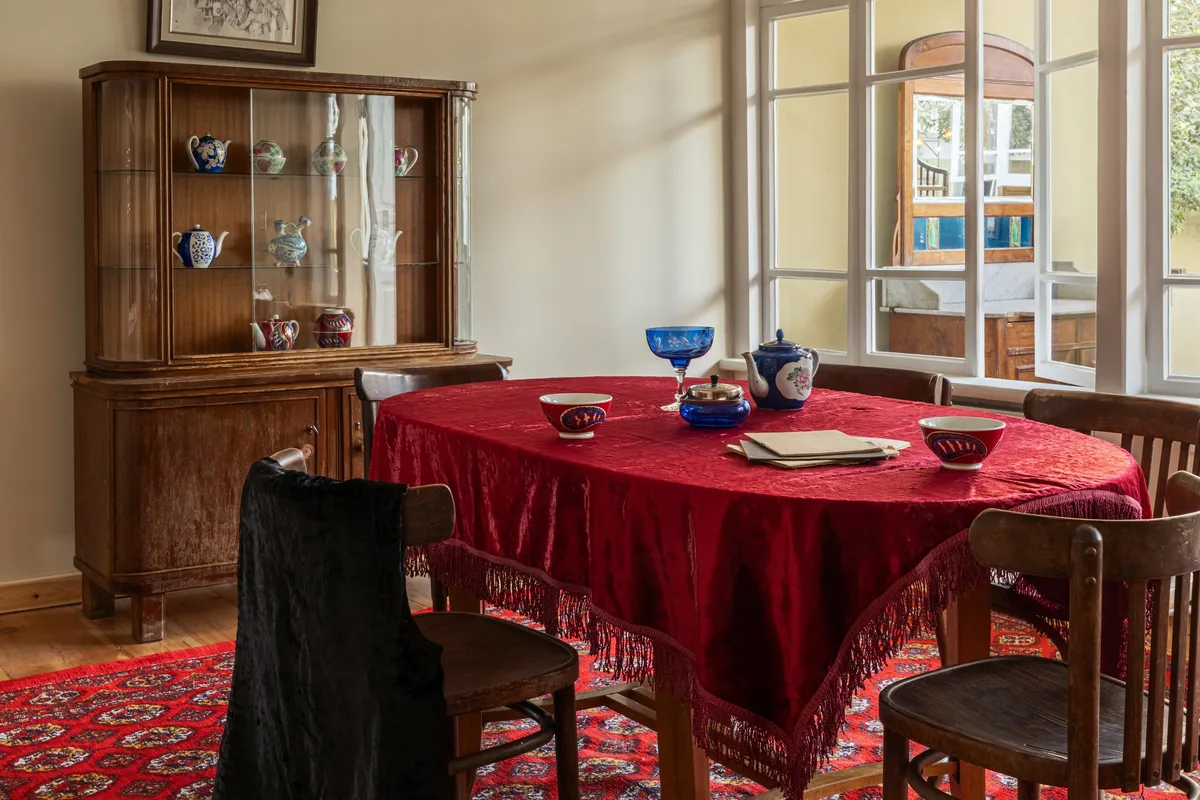
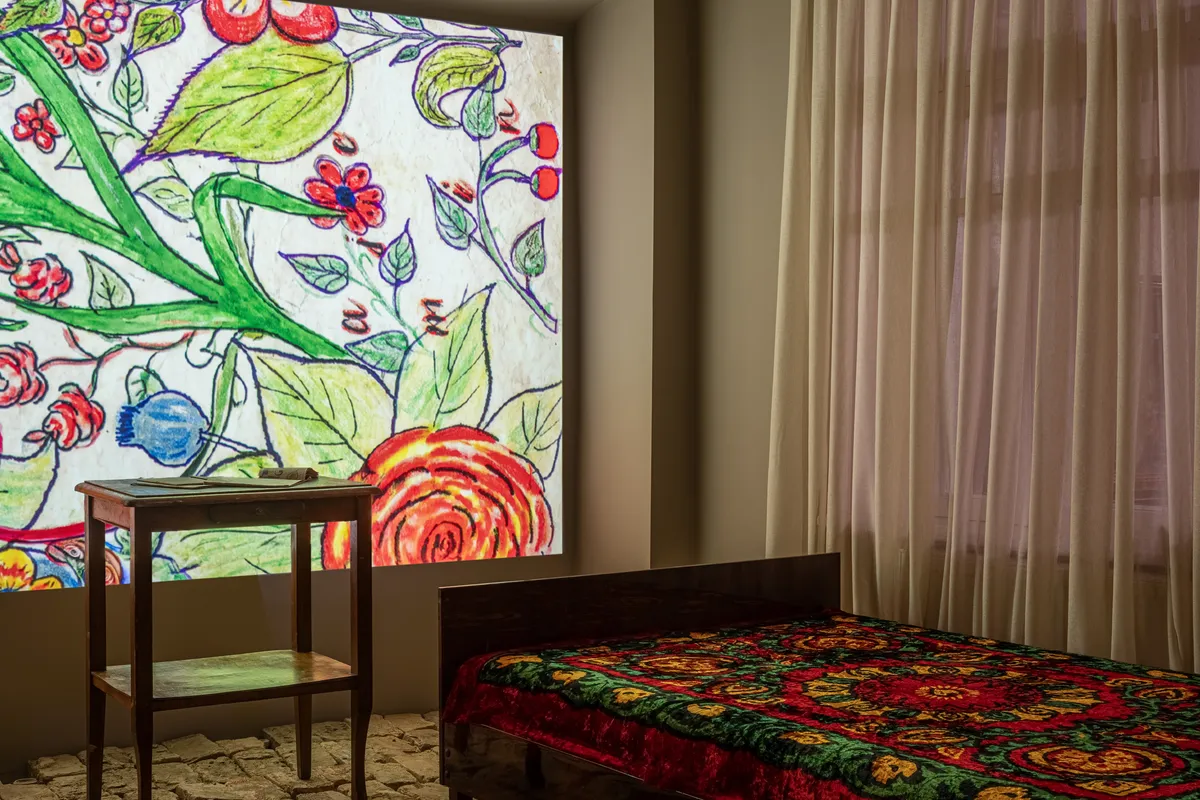
A 1920s house on Belarik Street
The house behind the carved wooden gates was built in the 1920s and extended over the decades by the family who lived there; two neighbouring parts belonged to the owner’s brothers. The founders, art historians Fatima Arifdjanova and Maksud Askarov, restored what was there instead of turning it into a stylised “old house”, so the rooms keep their original layout and details.
The name refers to the traditional Uzbek home. Tashkari was the outer part where guests were received; ichkari was the inner, family part. The museum takes that idea literally and shows Uzbek culture from the inside: habits, family rituals and memory rather than monuments.
The permanent exhibition: meeting, marriage, parting
The route follows the rooms of the house and a human life rather than historical periods:
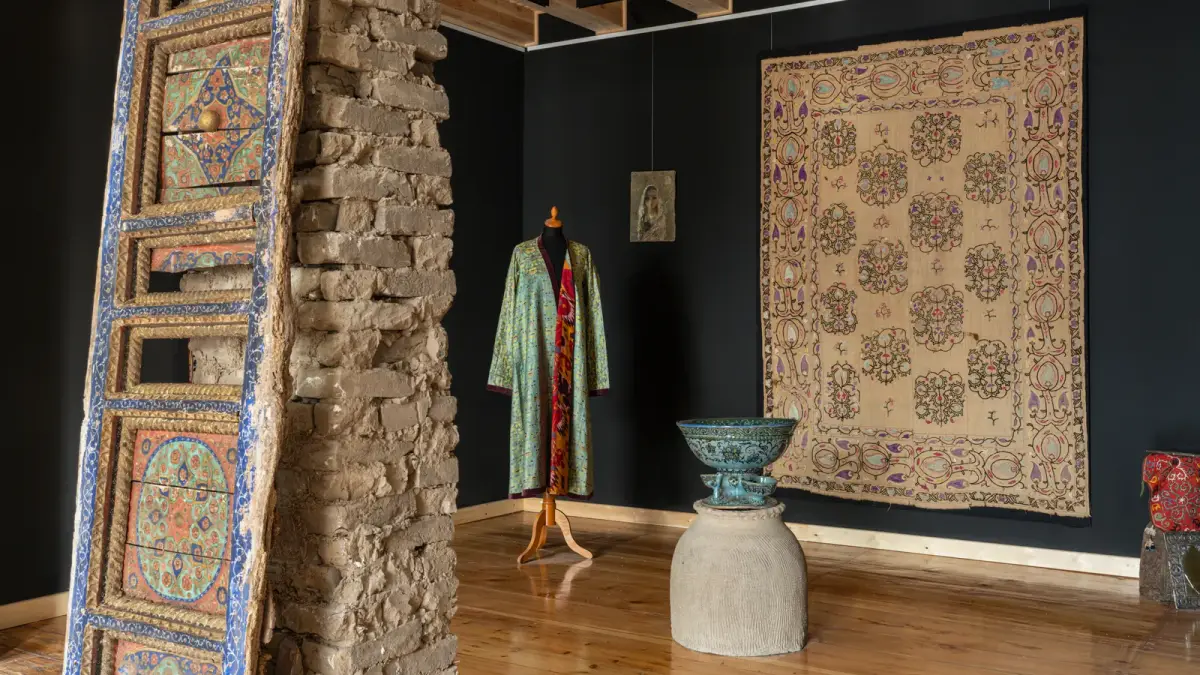
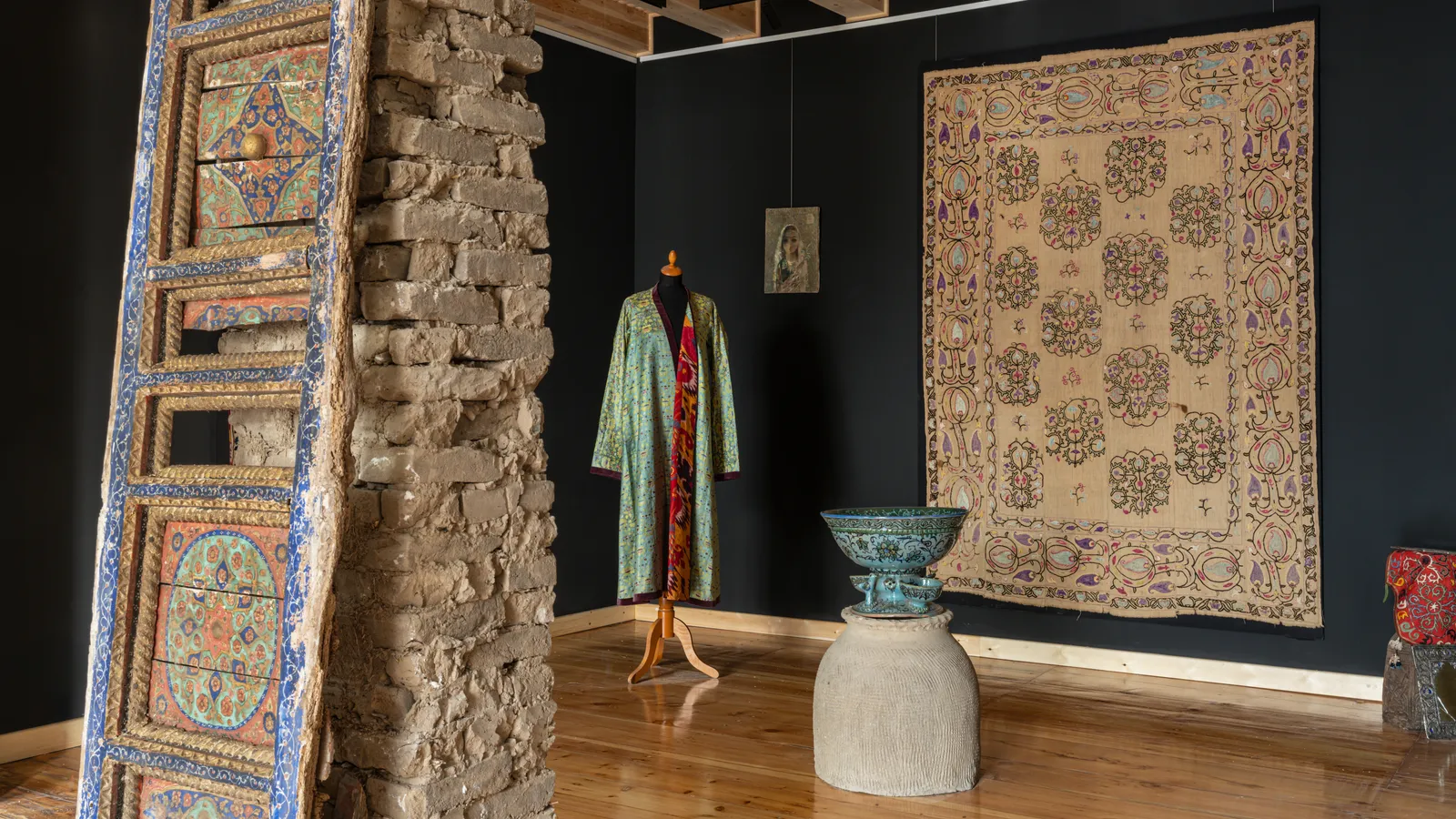
- Mehmonkhona, the guest room — where the family received neighbours and guests. Its wall niches now hold art books, ceramics and tableware, and textiles hang on the walls.
- Kelinkhona, the newlyweds’ room — wedding clothes, dowry and family objects, about the move into a new family.
- The elders’ bedroom — the core of the exhibition, about parting and memory, built from photographs and diary entries.
The collection has more than 700 objects; about 100 are on show now. They include textiles, jewellery, ceramics and archaeology: Tang-era terracotta figures of Sogdians on the Silk Road, Timurid metalwork, Paykend ceramics, and glazed ware from the Karakhanid and Seljuk periods, and 19th- and 20th-century textiles and applied art. The rest will appear in temporary exhibitions.
Shadows of My Home: the audio performance
The audio performance Shadows of My Home takes you through the house through the memories of its heroine. Maksud Askarov wrote it from interviews with the former owners and a diary his grandmother kept from 1941 to 1975. It runs daily in Uzbek, Russian or English, for ages 12+; tickets from UZS 60,000. On opening day the route took about 40 minutes.
Take it if you want the rooms to make sense beyond the objects. Without it, the main exhibition is free and works as a quiet walk through the house.
What is on now
- Yalt-Yult (“Splendour”), in the second house: how ideas of luxury and status changed in Uzbek culture over three centuries — from a Bukhara gold-embroidered brocade dress to gilding, imitation and logos. Daily, 12+; tickets from UZS 60,000.
- Curator-led tours with Maksud Askarov run on dates announced on the website: one hour, 20 places, 12+; tickets from UZS 250,000.
- Talks, concerts and workshops — lectures (some in English), jazz evenings, tea tastings. Each has its own registration or ticket on the ICHKARI events page.
- Xazinaxona (“Treasury”), a basement room for the oldest objects in the collection, is due to open in March 2027 with a small exhibition of ancient Sogdian figurines.
The courtyard, the library and Darcha café
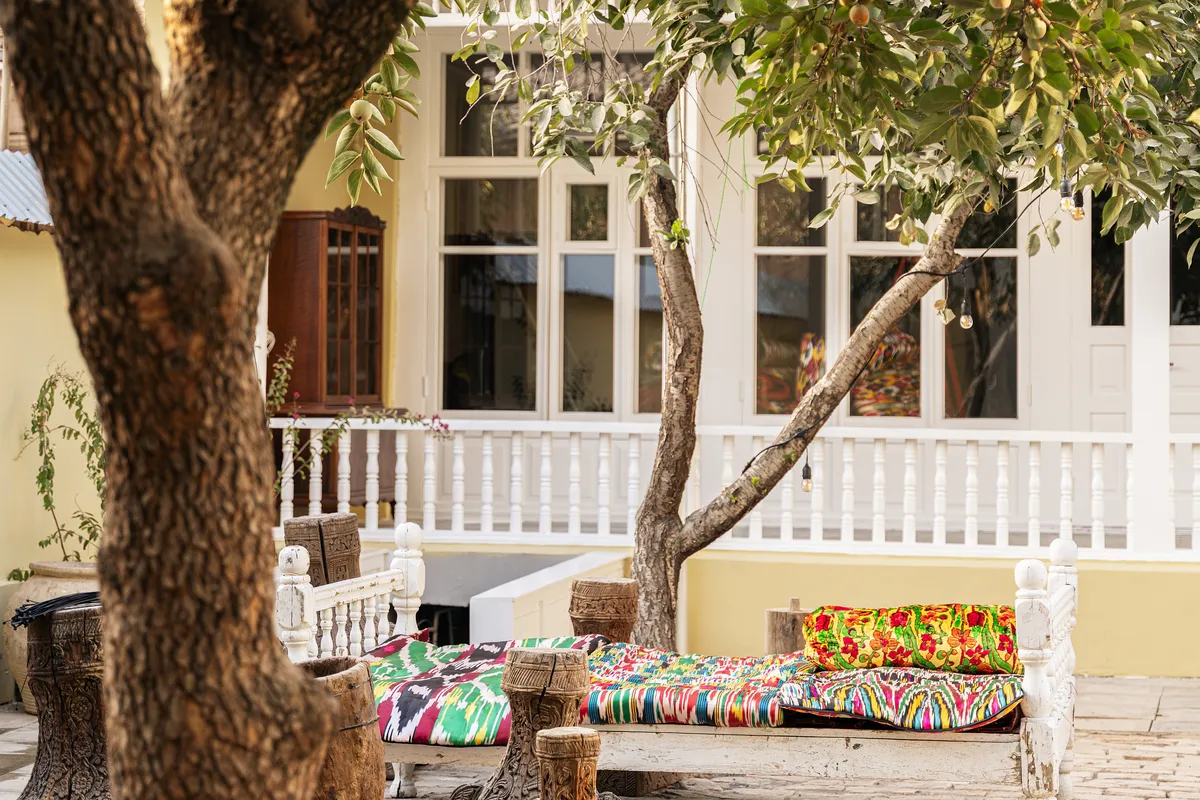
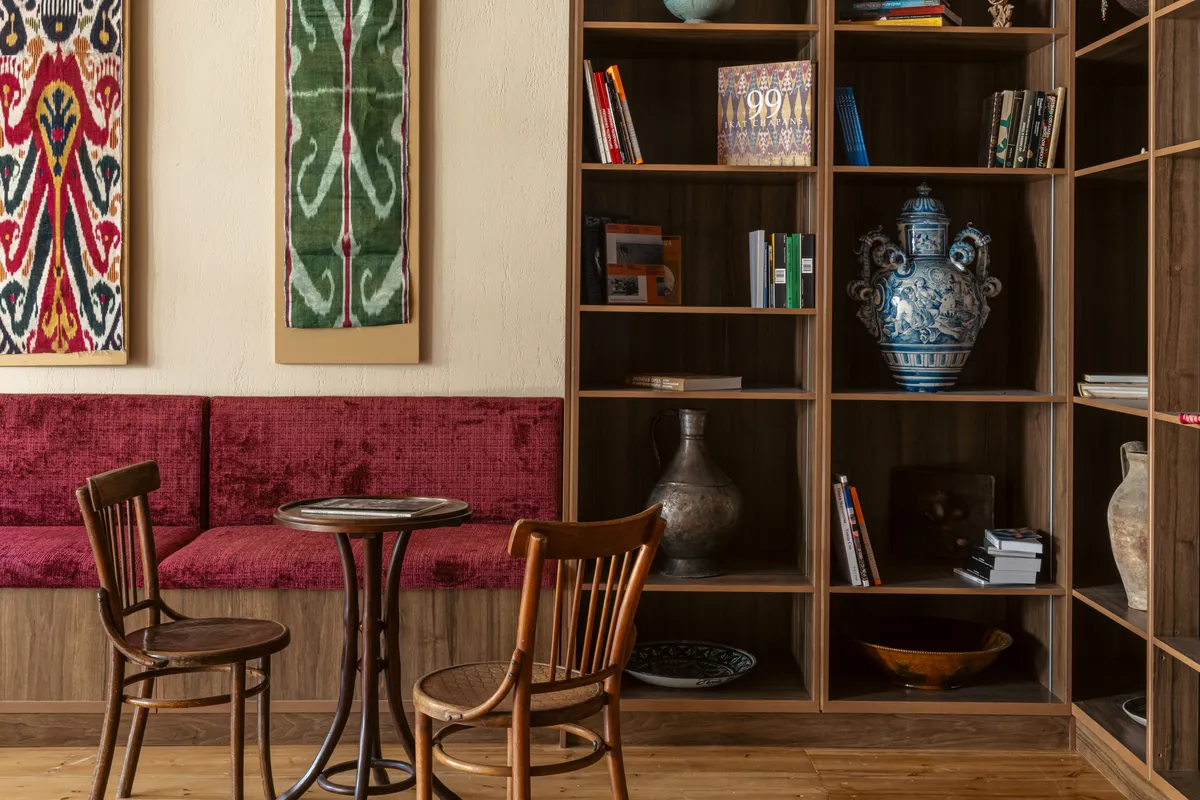
The courtyard is part of the visit: persimmon trees, tapchans with bright quilts, tea. The aivan, the covered gallery between the rooms and the courtyard, holds the library on art, architecture, design and heritage; you can sit and read there.
Darcha café takes its name from the small window between neighbouring courtyards through which families passed food to each other. There is no fixed menu: the kitchen cooks 15–20 portions of one home-style dish, such as shavlya, mastava or samsa, and moves on to the next when it runs out.
Hours, tickets and the Monday question
- Address: 30A Belarik Street, Yakkasaray district, Tashkent.
- Hours: 11:00–20:00.
- Main exhibition: free.
- Audio performance and Yalt-Yult: tickets from UZS 60,000 each, 12+.
- Phone: +998 92 143 28 88, [email protected].
The website lists both “daily” opening and a Monday closure. Call before a Monday visit; any other day, go straight there.
Fitting it into a Tashkent day
- An afternoon: the main exhibition, the audio performance and a meal at Darcha fit into one afternoon.
- Pair it with crafts: the State Museum of Applied Arts and Crafts at 15 Rakatboshi Street is in the same district, so the two make one afternoon about Uzbek craft and home life.
- Monday: if ICHKARI does not confirm, swap it for the Center for Islamic Civilization, which opens daily.
- Evening: October talks and concerts started between 17:00 and 19:00; check the date and time on the events page before you plan dinner elsewhere.
For other new museums, including the CCA and the Center for Islamic Civilization, see new museums and cultural spaces in Tashkent.
Before you go
- Decide whether you want the audio performance or Yalt-Yult, and buy tickets on ichkari.com.
- Planning a Monday? Call +998 92 143 28 88 first.
- For a concert or talk, register on the event page; places are limited.
- Leave time for the courtyard and the café — it is part of the visit.
FAQ
Is ICHKARI free?
The main exhibition in the house is free. The Shadows of My Home audio performance and the Yalt-Yult exhibition each need a ticket, with tickets from UZS 60,000; curator-led tours and concerts are priced separately.
Is there anything in English?
Yes. The audio performance runs in English as well as Uzbek and Russian, and some lectures are held in English; each event page states the language.
Where is ICHKARI and how long do I need?
At 30A Belarik Street in Yakkasaray district. Allow an afternoon for the house, the audio performance and a meal in the courtyard.