
Samarkand: City Overview, UNESCO Sites and Visitor Tips
Overview
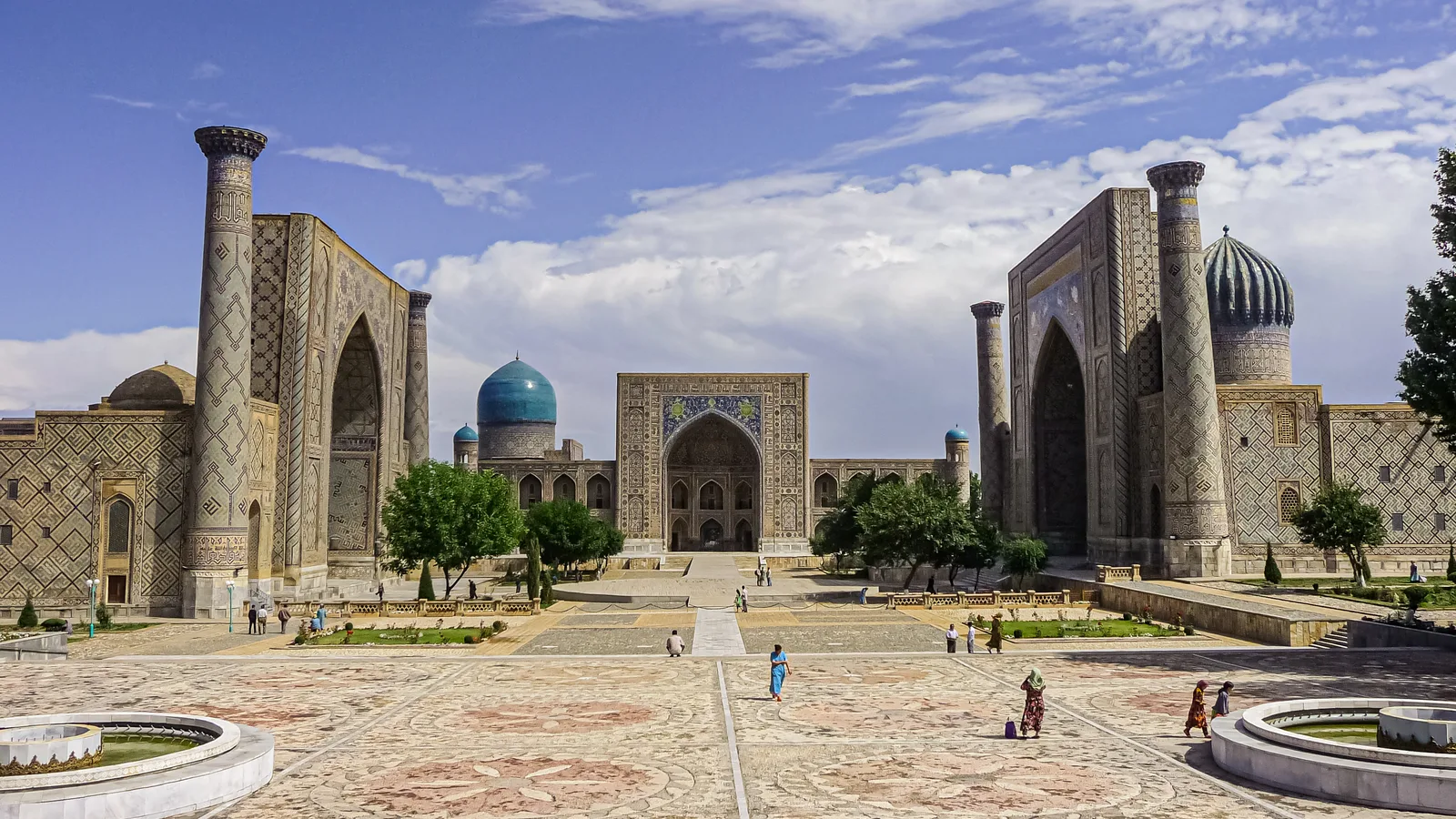
Samarkand sits at the crossroads of Central Asia and the historic Silk Road. The city’s skyline is defined by monumental madrasahs, tiled mausoleums and broad public squares that reflect centuries of trade, scholarship and imperial patronage. For many travelers Samarkand is best known for its cluster of UNESCO-listed monuments in and around the historic centre, but the city also rewards slower exploration of neighborhoods, markets and cafés.
Where Samarkand fits in a first Uzbekistan route
For most first-time itineraries, Samarkand is the highest-priority heritage stop outside Tashkent. It concentrates high-impact landmarks in a compact area and is easy to combine with Bukhara on a rail-first route.
Best use in an itinerary
Allocate at least two full days for core monuments and one slower evening walk. If your plan is heritage-first, place Samarkand before Bukhara and keep at least one flexible buffer block for weather, crowds, or longer site time.
Top UNESCO sites to prioritize
- Registan Square: a trio of monumental madrasahs that anchor the old city and are especially striking in the early morning and at dusk.
- Shah-i-Zinda: a street of richly tiled mausoleums whose intimate scale contrasts with larger public monuments.
- Bibi-Khanym Mosque and adjacent market areas: grand architecture and a lively urban atmosphere.
- Nearby observatory and mausoleums: important historic sites that illustrate Samarkand’s role as a center of scholarship and governance.
Visit these sites in the cooler hours to avoid heat and crowds, and allow time to wander side streets and bazaars between major monuments.
How to get around
Samarkand is compact enough for a lot of sightseeing on foot in the historic center, but expect uneven pavements and cobblestones. Taxis and shared cars are common for longer hops; agree a fare in advance or ask your accommodation to call a licensed taxi. Intercity travel is possible by regular rail and faster services from Tashkent and surrounding cities; domestic flights also operate seasonally.
Treat the Imam al-Bukhari complex as a separate outing
If your Samarkand plan includes the Imam al-Bukhari complex, do not treat it like an extra stop after Registan. The rebuilt site outside the historic core is a large pilgrimage campus with mosque, museum, service zone, and controlled visitor infrastructure, so it works better as its own half-day transport decision.
What matters in practice:
- Taxi, hired driver, or tour bus is the simplest format for most foreign travelers.
- Self-drive can work, but confirm current on-site access and parking instructions on the same day rather than assuming a quick roadside stop.
- If your Samarkand day is already packed with old-city monuments, move this complex to a different block instead of rushing both.
Practical tips: money, tickets and timing
Cash in the local currency is widely used in markets and smaller restaurants; ATMs are available in the city but may not always accept every international card. Credit cards are accepted at many hotels and larger restaurants. For popular UNESCO sites, purchase tickets at official entrances and keep receipts. Peak season sees larger crowds—plan monument visits for early morning or late afternoon for better light and fewer people.
Culture and etiquette
Samarkand is culturally conservative compared with many Western cities. Dress respectfully at religious sites (shoulders and knees covered). Some mausoleums and interior prayer spaces require removing shoes—follow signage and local guidance. When photographing people, ask permission first; a polite smile and a simple gesture will usually work.
Safety and health
Samarkand is a generally safe city for visitors who use common-sense precautions. Keep valuables secure, be mindful of bags in crowded bazaars, and use licensed transport for night travel. Stay hydrated and protect yourself from sun exposure during summer months.
Best time to visit
Spring and autumn bring the most comfortable temperatures for walking and sightseeing. Summer can be hot; winter is colder and quieter, with fewer tourists and some reduced services.
Upcoming event signal for 2026 planning
If your dates are flexible, keep June 8, 2026 as a Samarkand overnight. John Legend in Samarkand is scheduled at Registan Square that evening and can increase central-area demand. Reserve your hotel first, then lock ticket category and return route.
Where to eat and what to try
Local cuisine centers on rice dishes, flatbreads and hearty stews. Try a traditional rice-and-meat dish at a neighborhood restaurant, share small savory pastries at market stalls, and sample local breads. For more on regional food and how to order, see the Uzbekistan food guide linked below.
Photography and pacing your visit
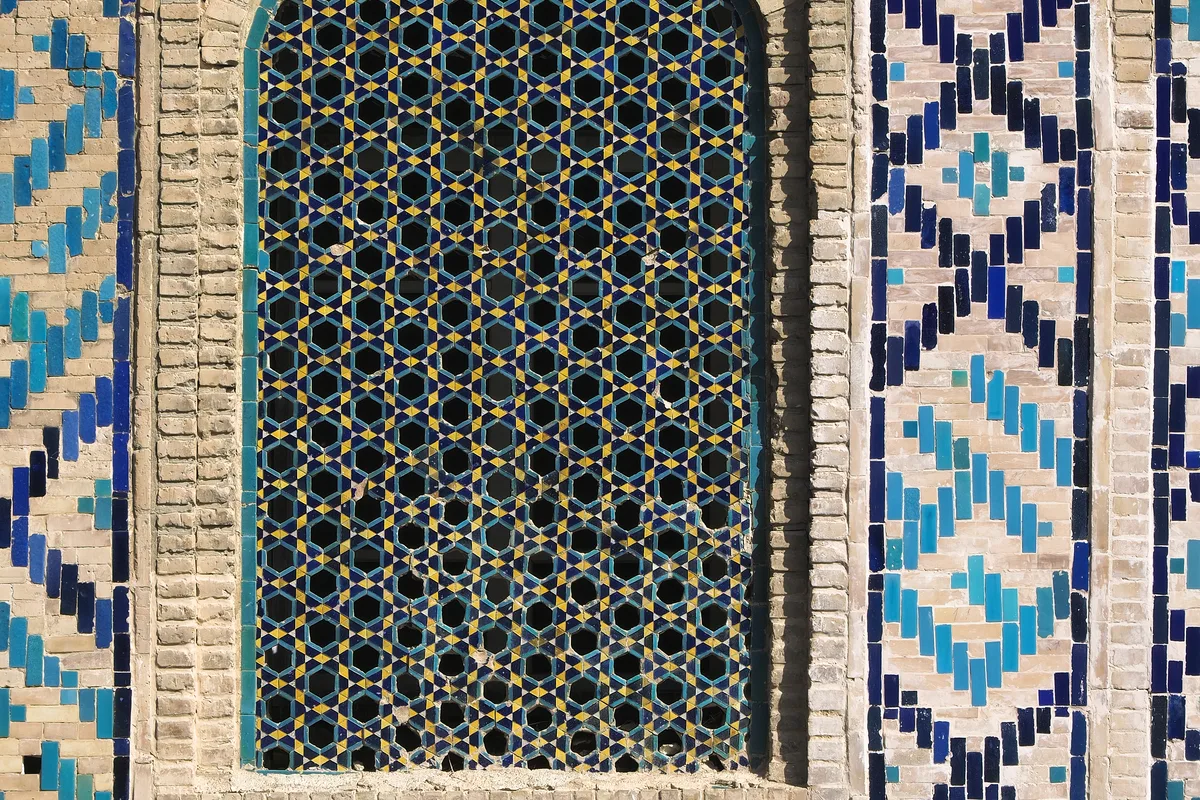
Photographers will find rich architectural detail and vibrant market scenes. Respect signs at religious sites and the privacy of worshippers. If you’re visiting several monuments in one day, pace yourself—allow time for breaks in shaded cafés and short rests between walking segments.
Suggested itinerary highlights (1–2 days)
Day 1: Focus on the main square and adjacent madrasahs, then walk to nearby museums and a local market.
Day 2: Explore Shah-i-Zinda, visit major mausoleums, and leave time for a relaxed meal and a museum or neighborhood walk.
Final notes
Samarkand rewards both the visitor who wants a brisk overview of its UNESCO monuments and the traveler who has time to linger in markets and side streets. Use this guide as a starting point, then choose the pace that suits your trip and interests.
If this is your first time in Uzbekistan, check the first-time travel guide linked below for planning checklists and country-level tips.
Related Links
- Samarkand hotels
- Samarkand restaurants
- Samarkand attractions directory
- Samarkand transport picks
- Bukhara
- first-time Uzbekistan guide
- Uzbek food guide
- Afrosiyob train guide
- Boutique hotels in Uzbekistan
- Tashkent
- John Legend in Samarkand (June 8, 2026)
- photography tips
- Uzbekistan hub
FAQ
What are the must-see sights in Samarkand?
Prioritize the main square and adjacent madrasahs, Shah-i-Zinda’s mausoleums, Bibi-Khanym Mosque and nearby mausoleums and observatory sites. Allow time to wander markets and smaller religious complexes for a fuller sense of the city.
How many days should I spend in Samarkand?
A focused visit of one to two full days covers the principal monuments at a comfortable pace. If you enjoy museums, markets and relaxed neighborhood exploration, plan three days to see the city without rushing.
Is Samarkand safe for tourists?
Samarkand is generally safe for visitors who follow routine precautions: keep valuables secure, be cautious in crowded areas, use licensed taxis for late-night travel, and follow local guidance. For personal health concerns and up-to-date advisories, consult official sources before travel.
Do I need to follow specific dress codes at sites?
Yes. Dress respectfully at religious sites: cover shoulders and knees. Some mausoleums and indoor prayer areas require removing shoes—follow posted rules and local staff instructions.

.jpg)