
Bukhara: Old Town, UNESCO World Heritage, and Practical Visitor Guide
Why Bukhara matters
Bukhara’s compact Old Town concentrates centuries of Central Asian history into a walkable quarter. Stone streets, domed trading arcades, madrasahs and mausoleums form a dense architectural ensemble that UNESCO protects as the “Historic Centre of Bukhara.” For travelers who want history, markets and calm public squares, Bukhara offers a slower, intimate experience than larger cities.
What to see in the Old Town (quick list)
- Ark Fortress — the citadel complex that anchors the historic center.
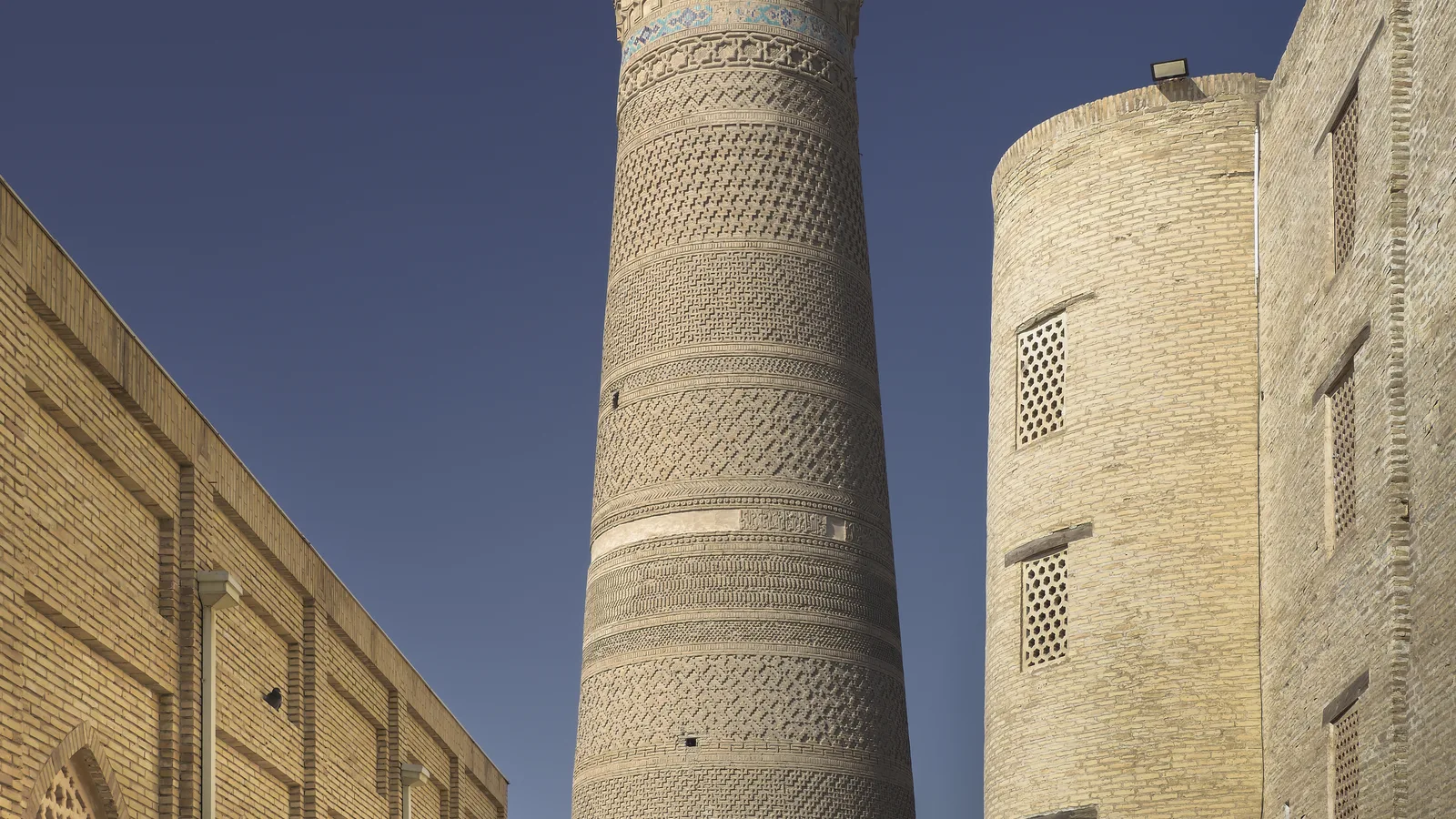
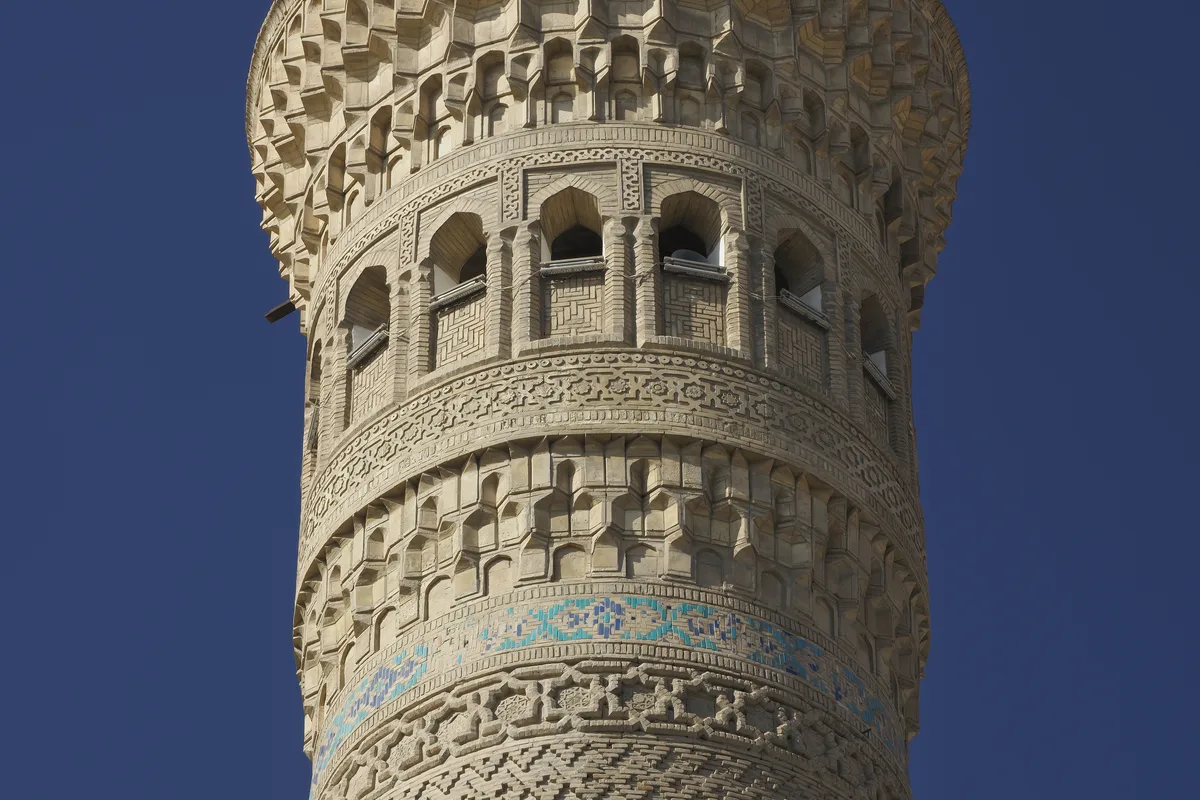
- Po-i-Kalyan complex — minaret and surrounding madrasahs that define Bukhara’s skyline.
- Samanid Mausoleum — notable for early Islamic architecture and brickwork.
- Lyabi-Hauz ensemble — a small square built around a pond, with cafes and shaded benches.
- Trading domes and caravanserais — covered bazaars where artisans and shops cluster.
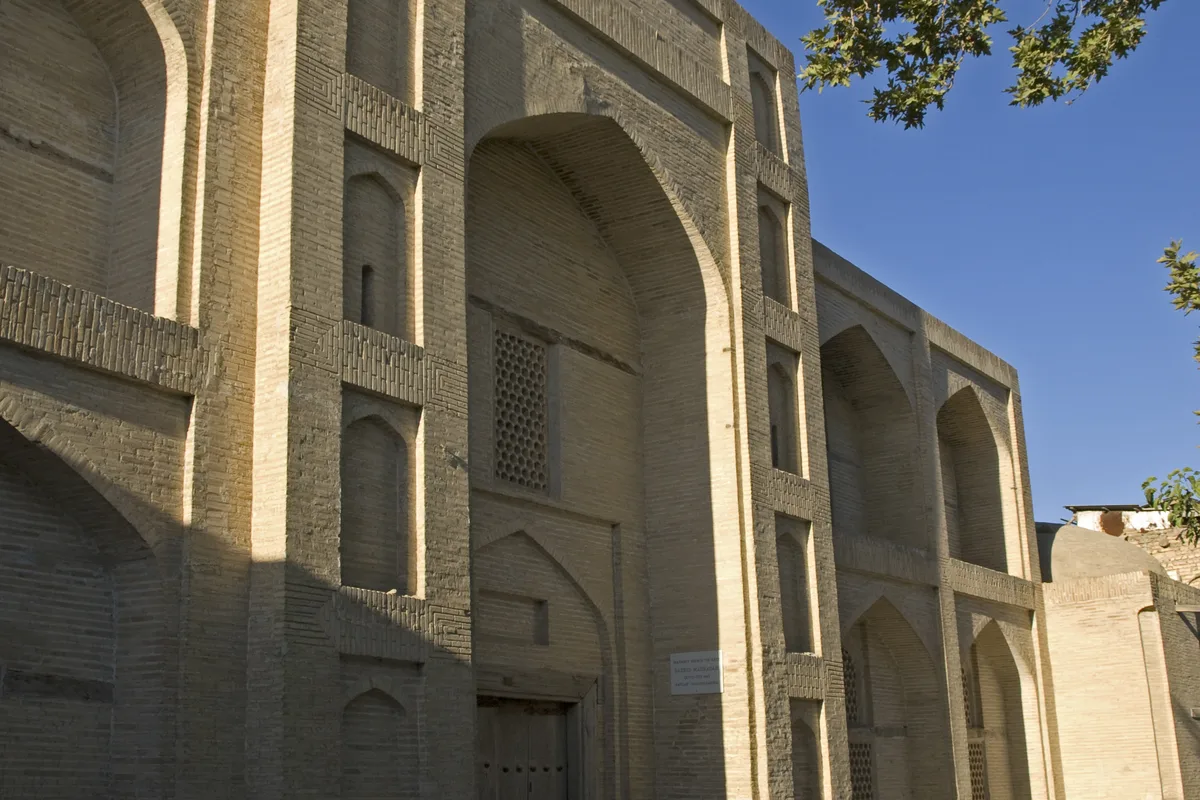
- Chor Minor and neighborhood madrasahs — smaller, photogenic monuments worth detours.
Each site is close to the next, so plan walking loops rather than long transit between sights.
How much time to plan
Two full days give you a solid introduction: Day one for the Ark, Po-i-Kalyan and nearby madrasahs; day two for museums, Lyabi-Hauz and wandering the trading domes. If you want to slow down, add a third day to visit lesser-known religious complexes, take a guided history walk, or book a local cooking class.
Getting there and getting around
Bukhara is connected by rail and road to other Uzbek cities. Trains from Samarkand and Tashkent are common options; bus and shared taxi services also operate. Within the Old Town, most visitors walk. Streets are narrow and often paved with stone; comfortable shoes are essential. For trips outside the center (museums, outskirts), use a local taxi or arrange a driver through your accommodation.
Practical tips for visiting the Old Town
- Timing: Early morning and late afternoon are best for photography and cooler temperatures. Midday can be hot and busy in summer.
- Dress and etiquette: Modest clothing is appropriate when visiting mosques or religious sites. When in doubt, follow local cues.
- Cash and payments: Smaller shops and bazaars generally prefer cash. Carry small-denomination local currency for purchases and tips.
- Entrance and opening hours: Many historical sites charge entry; opening hours vary. Check in advance or ask at your hotel.
- Guides: A local guide can add historical context and help you navigate restricted areas or museum collections.
Food and where to eat
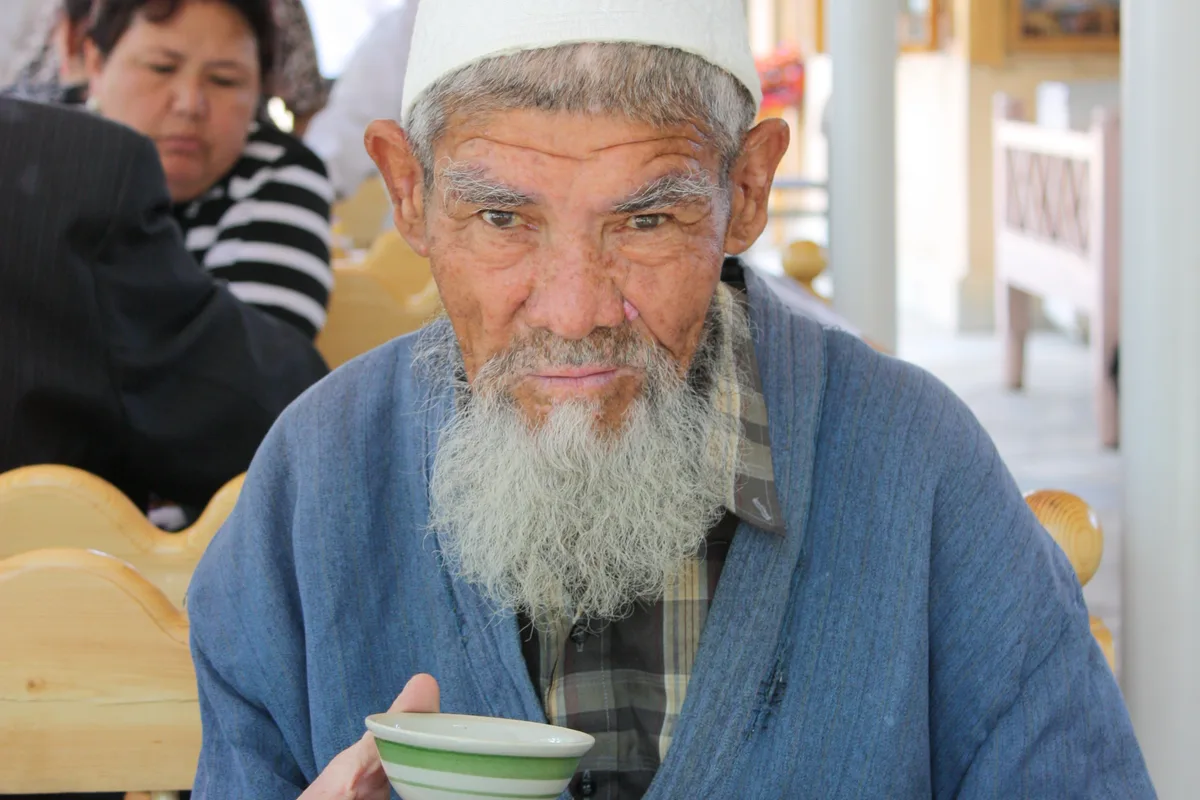
Bukhara has local restaurants and teahouses clustered around Lyabi-Hauz and the Old Town. Try regional specialities and street snacks at established stalls. If you have dietary restrictions, confirm ingredients with staff; English may be limited, so be prepared to point to dishes or use translation tools.
Photography and respect
Historic facades, courtyards and markets are photographable, but always ask permission before photographing people, especially inside religious spaces. For tips on framing and low-light shots in madrasahs and interiors, consult a photography guide before you go.
Safety and health basics
Bukhara is generally safe for travelers, but standard precautions apply: watch belongings in crowded bazaars, agree fares for taxis in advance or insist on the meter when available, and drink bottled water if you are unsure about local supply. Carry a basic first-aid kit and any personal medications.
Sample day itinerary (compact)
Morning: Walk the Ark complex and Po-i-Kalyan. Lunch: Teahouse near Lyabi-Hauz. Afternoon: Samanid Mausoleum, trading domes, and a short museum visit. Evening: Stroll the lit facades around Lyabi-Hauz and try local desserts.
Final planning notes
Confirm train schedules and ticket availability in advance, especially during regional holidays or festival periods. Reserve your accommodation early if you plan to stay within the Old Town — proximity saves time and lets you soak in the atmosphere at dawn and dusk.
If you want practical packing, safety checklists, or photography tips tailored to Uzbekistan, follow the linked guides below before you book.
Start with a simple day plan, book your train or bus early, and use the linked guides below to build a realistic visit.
Related Links
- Bukhara hotels
- Bukhara restaurants
- Bukhara attractions directory
- Bukhara transport picks
- First-time Uzbekistan guide
- Samarkand
- Uzbek food guide
- Photography tips
- Tashkent
FAQ
Is Bukhara’s Old Town walkable for first-time visitors?
Yes. The Old Town is compact and designed for pedestrians; most major monuments are within short walking distance of each other. Expect uneven stone streets and steps in some areas, so bring comfortable shoes and allow extra time if mobility is limited.
How many days should I spend in Bukhara?
Plan two full days for the principal monuments, markets and a museum visit. Add a third day if you want time for guided tours, a cooking class, or relaxed photography sessions without rushing.
Do I need to book a guide to visit the main sites?
No, you can visit many sites independently, but a knowledgeable local guide will provide historical context, explain inscriptions and point out architectural details that are easy to miss on your own.
Are there any special considerations for photographing people or religious sites?
Always ask permission before photographing people, especially inside religious areas. Dress modestly when entering mosques and follow posted rules; some interiors prohibit flash or close-up photography of sacred objects.
What should I carry with me while exploring the Old Town?
Carry local cash in small denominations, a water bottle, sun protection, comfortable shoes, and a photocopy of your passport or digital ID. Check opening hours for museums and bring a small guidebook or offline map for narrow streets.
.jpg)
_-_Bukhara.jpg)
.jpg)


